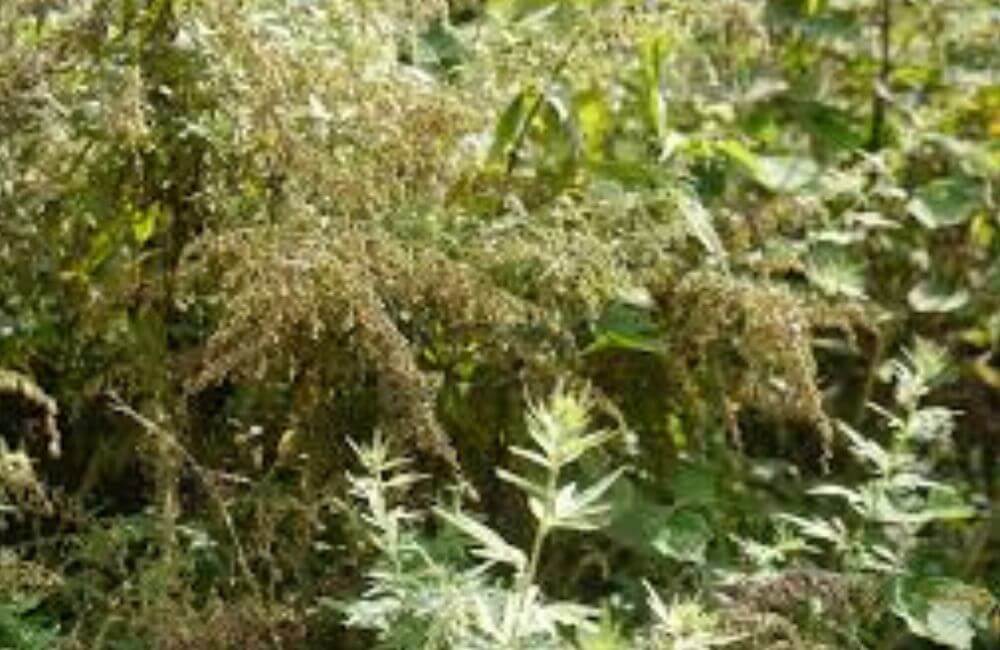
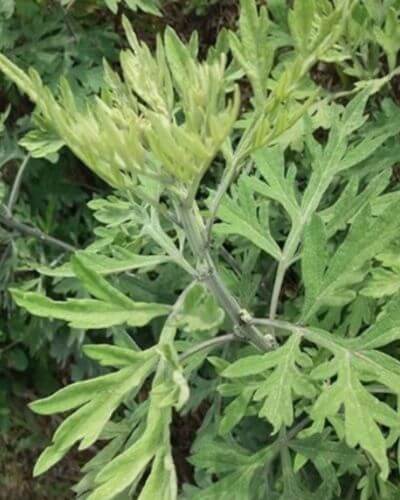
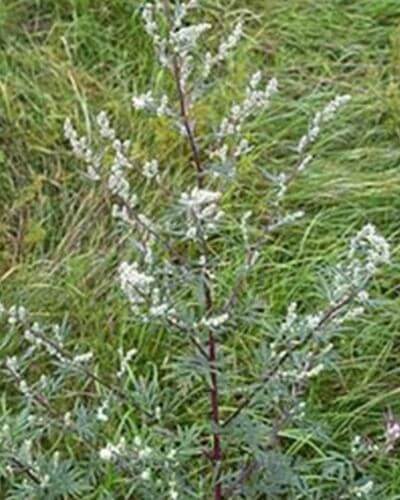
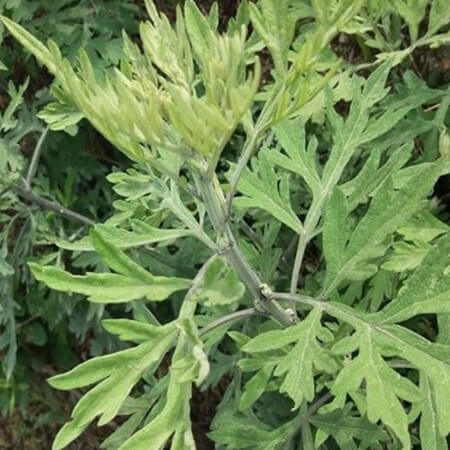
Titepati
Essential Oil from Artemisia
Titepati (Mugwort)
Scientific name –
Artemisia vulgaris
Uses
- Medicinal:
Used in traditional medicine to treat digestive issues, menstrual disorders, and respiratory conditions. Known for its antimicrobial, anti-inflammatory, and antioxidant properties.
- Aromatherapy:
Artemisia essential oil is used for its calming, soothing, and purifying effects, often used in massage oils, diffusers, and as a sleep aid.
- Cosmetics:
Incorporated in skin-care products for its anti-inflammatory and healing properties, especially in treating acne, skin irritation, and wounds.
- Insect Repellent:
The oil is used as a natural insect repellent, particularly for repelling mosquitoes..
- Cultural and Spiritual:
Used in certain traditional rituals and for purifying spaces.
- Herbal Tea:
The dried leaves are brewed into a tea to aid in digestion and promote relaxation.
- Food:
In some cultures, Titepati is used as a flavoring herb or in soups and sauces for its distinct, slightly bitter taste.
Composition
Main Compounds and Approximate Percentage:
- α-Thujone: ~25-40%
- β-Thujone: ~10-20%
- Camphor: ~5-10%
- 1,8-Cineole: ~5-7%
- Eucalyptol: ~2-4%
- Artemisinin: Trace amounts
- Other Sesquiterpenes: ~5-10%
Availability in Nepal:
- Found in mid to high-altitude regions, typically between 1,500 to 3,500 meters above sea level.
- Grows in temperate and alpine climates, particularly in areas with well-drained soils and plenty of sunlight.
- Key regions include:
- Langtang National Park
- Rasuwa and Dolakha districts
- Mustang and Manang districts
- Kanchanjunga Conservation Area